
Osteopathy for Back Pain in Bedminster, Bristol
Fed up with your back letting you down?
Back pain is one of the most common reasons people visit our Bedminster clinic. Our experienced osteopaths take the time to understand not only where your pain is, but why it has developed, so we can help you move more comfortably again.


What does back pain feel like?
Whether your pain started after an awkward movement, has gradually developed over time, or seems to have appeared for no obvious reason, back pain can affect every part of daily life. Simple tasks such as getting out of bed, sitting at your desk, driving, exercising or even putting on your shoes can become uncomfortable.
Back pain can vary enormously from person to person. You may notice:
- A dull constant ache in your back
- Sudden sharp stabbing pain when bending or twisting
- Muscle spasms or a feeling that your back has "locked"
- Pain travelling into the buttock or down the leg (sciatica)
- Stiffness after sitting, standing or driving
- Pain that limits walking, exercise or sleep
Do any of these sound familiar? If so, osteopathy could be the right choice for you.
What causes back pain?

Mechanical strain
Muscle or ligament strain
Poor posture
Weak or tight muscles
Stress and tension
Minor sports injuries
Sciatica related problems
Arthritis and age-related change
Pregnancy-related back pain
Previous injuries
Could my back pain be sciatica?
If the pain travels down the leg, it may be linked to the sciatic nerve. We'll assess what's causing your discomfort and create an osteopathic plan for you.
Acute back pain
Persistent back pain
What our patients say

Rated 5 star by over 60 clients

How can osteopathy help back pain?
We are trained to assess, diagnose and screen symptoms and are qualified to refer you to GP or other specialist if need be.
Osteopathy focuses on improving movement throughout the body, reducing pain and helping tissues recover naturally.
Your first appointment includes a detailed medical history, a physical examination and a discussion about your lifestyle, work, exercise and goals. This helps us develop an osteopathic plan that's designed specifically to you and screens anything that needs an onward medical referral.
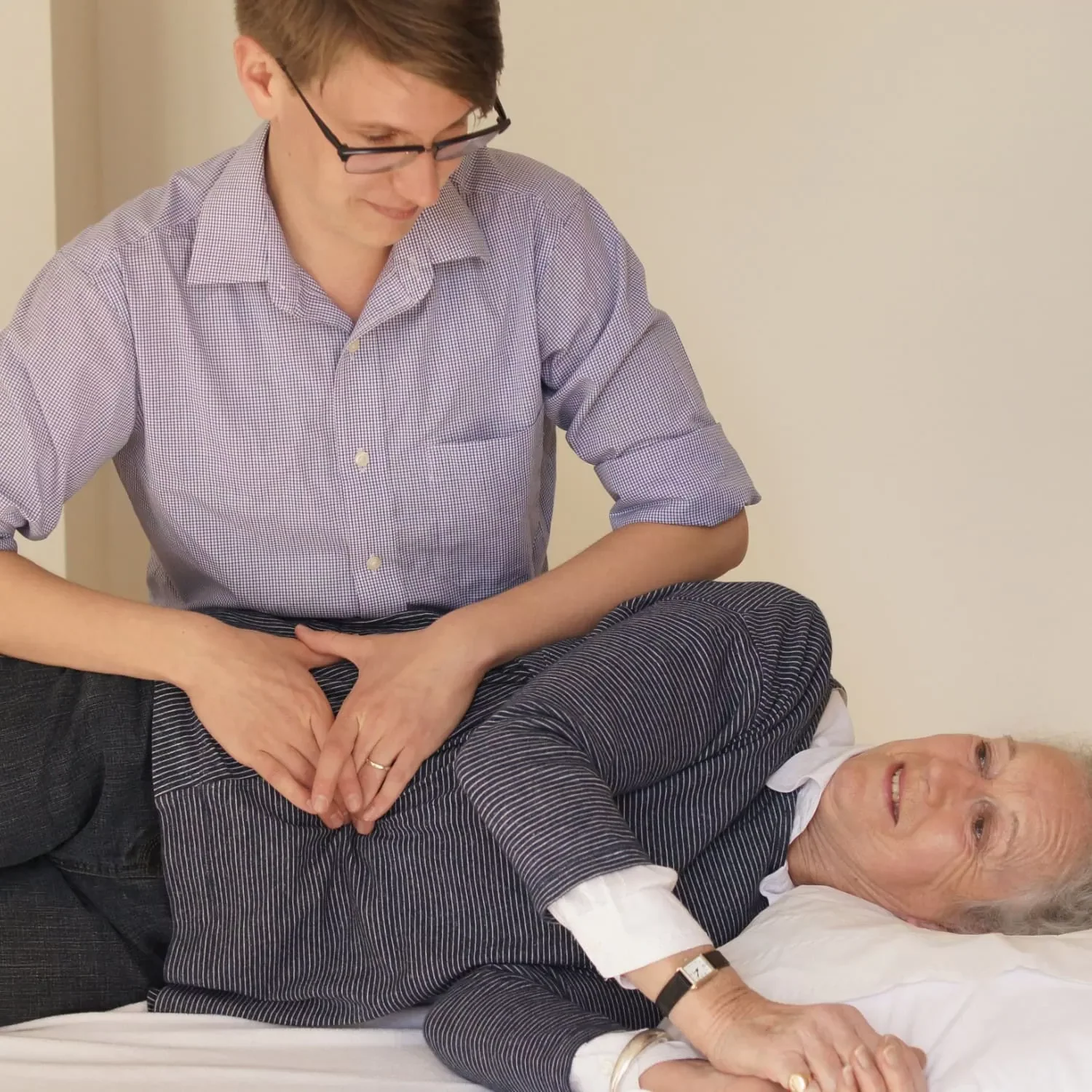
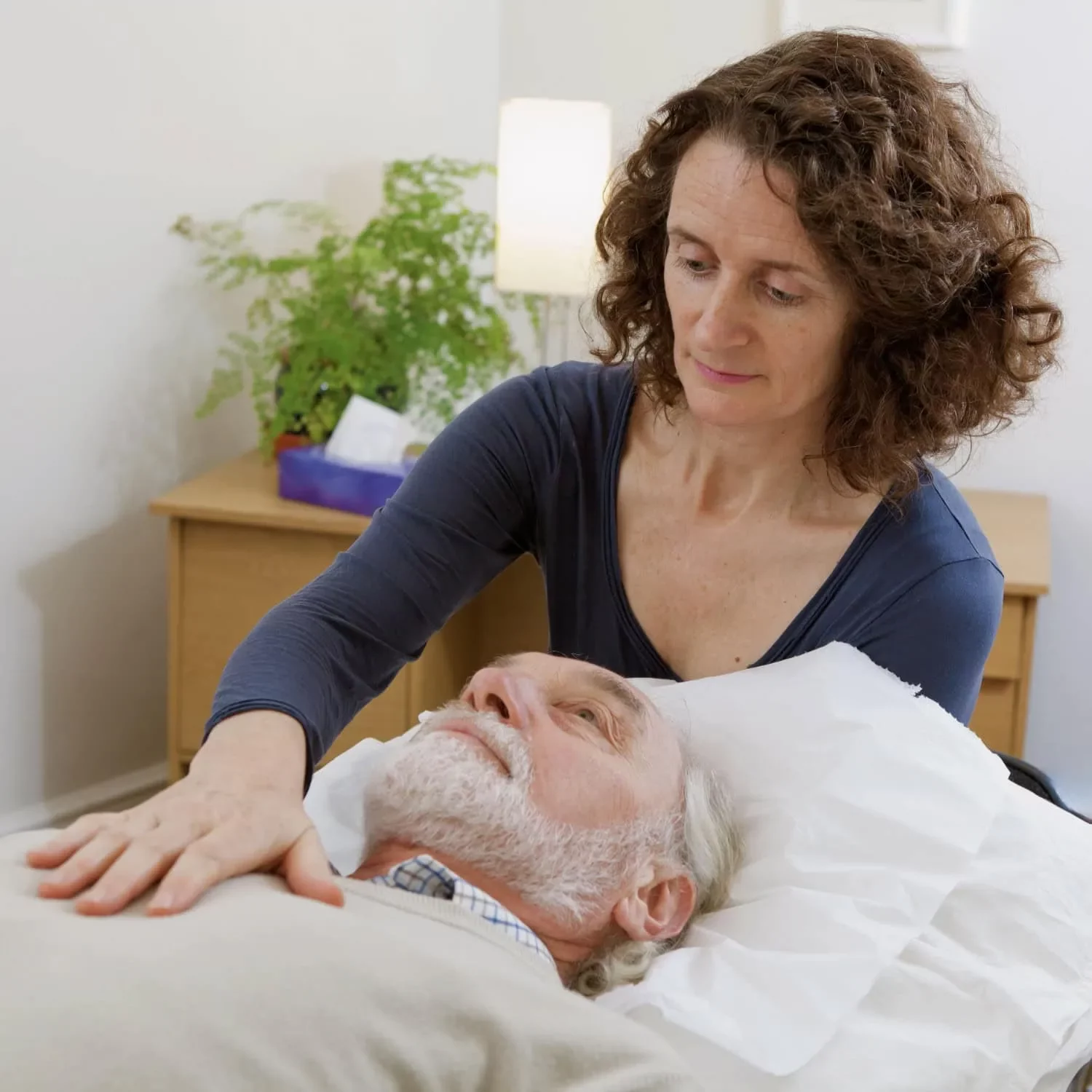
Osteopathic techniques, explained as we go and where appropriate, may include:
- Gentle joint mobilisation and articulation
- Soft tissue massage to release tight or protective muscles
- Manipulation where appropriate
- Stretching techniques to ease stiffness
- Exercises to build strength and support long term recovery
- Cranial osteopathy where indicated
- Advice on posture, lifting, workstations and daily activities
Our aim is not only to ease your pain but to give you the tools to help prevent it returning.
Why choose the Courtyard Osteopaths?
Our clinic has been caring for patients across Bristol for over 30 years. We combine evidence-informed osteopathic care with a friendly, professional, patient-centred approach.
Patients choose us because we offer:
- Longer appointments that allow time to listen
- Careful movement based physical assessment and screening
- Clear explanation of working assessment and expectations
- GP or medical referral where appropriate
- Gentle and safe techniques suitable for all ages
- Expertise in cranial osteopathy
- Relevant advice and simple exercise programmes
- Realistic timelines
- Progress reviews each session
- Focus on long-term recovery, not just short-term relief
Meet our Bedminster osteopathy team
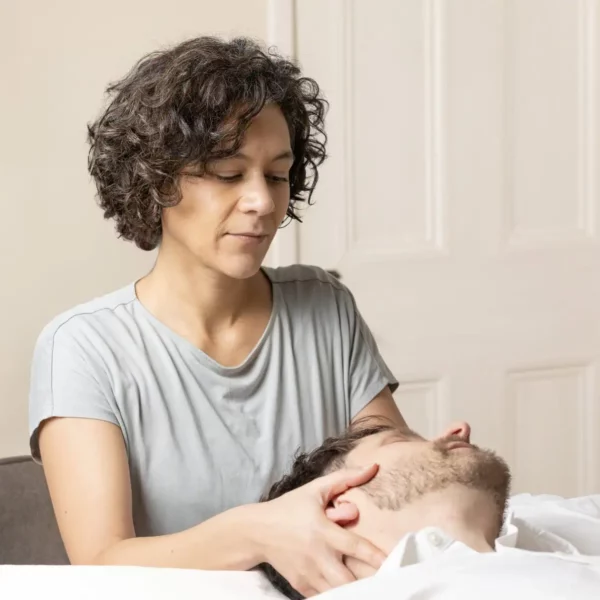
Colette Tirimo
Osteopath
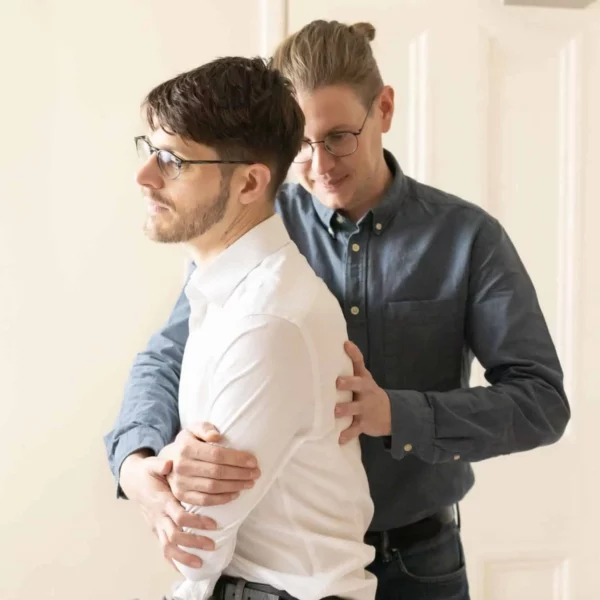
Sam Dobbie
Osteopath
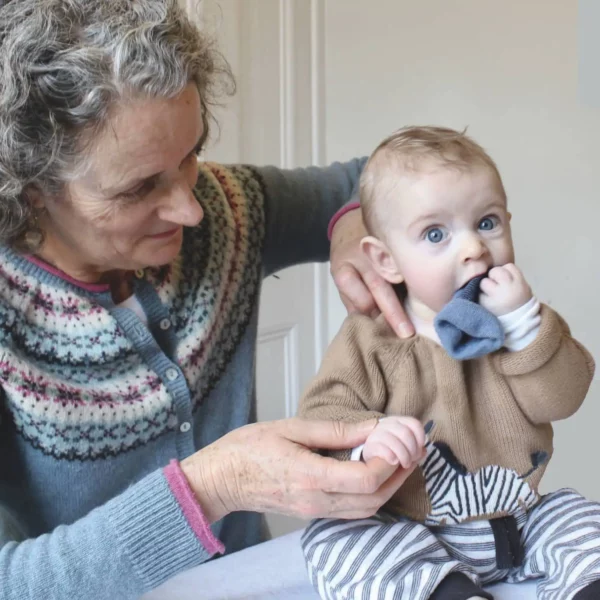
Jeni Briggs
Osteopath
Back pain FAQs
Every case is different. Uncomplicated low back pain may improve over a few weeks, particularly with gentle movement and staying active; long-standing pain often takes longer. We'll discuss realistic expectations after your assessment rather than give you a fixed number of sessions.
Osteopathy may help some people with sciatica type symptoms, depending on the individual presentation. At your first visit we'll take a careful history, examine you, and be honest about whether osteopathic care looks appropriate. We will refer you to your GP or another healthcare professional if it doesn't.
We always adapt techniques to suit your health needs and keep sessions safe and comfortable. Osteopathy may help some people manage comfort and keep moving when combined with exercise and the other core care recommended by your GP. Responses vary and we'll be honest about what's realistic for you.
Gentle movement within your comfort zone usually helps recovery, but if any movement is significantly painful or you have red-flag symptoms, seek medical advice first. We'll show you what a sensible level of activity looks like for you.